
Rainy Days and Museums
Growing up in New York, rainy days meant one thing: museums. There were so many of them — everything from the Museum of Modern Art to the Museum of Natural History, from the Metropolitan Museum of Art to the National Museum of the American Indian. Vast halls. Quiet galleries. Entire worlds unfolding behind glass and on canvas.
There were dinosaurs and designer dresses, ancient artifacts and Egyptian mummies. I once stood in front of Andy Warhol’s Campbell’s Soup Cans, then turned a corner and found a feathered headdress displayed beside bow and arrows. Art, history, culture — all housed under soaring ceilings that made everything feel significant.
I never imagined that one day my own artwork would be included in a museum catalog. That one of my photographs would be printed alongside the work of other artists in an institutional publication. And yet, here we are.
This month, my work appears in the catalog of an intimate but deeply respected museum, one that locals consider a true gem. It’s far from the museums of my childhood, but somehow that distance makes the experience even more meaningful. Seeing my image in print, among artists working across media, feels both surreal and grounding at the same time.
Into the SASSE Museum We Go
The SASSE Museum of Art is located in Pomona, California. It is a nonprofit art museum situated in the heart of Southern California’s Inland Empire. What began as a visionary community project has grown into a respected cultural destination — a place where art, education, and connection intersect. Its mission is to foster appreciation and understanding of art through thoughtful exhibitions, engaging publications, and meaningful dialogue between artists and the public.
Visit the SASSE on any given day and you might find students, collectors, poets, and longtime art lovers sharing the same space. It functions not only as a museum, but as a vibrant gathering place for creative exchange. The institution is also known for producing beautifully designed catalogs that document its exhibitions and make the work accessible far beyond the gallery walls.
Though it’s far from the towering institutions of New York that I wandered as a child, the SASSE holds its own kind of magic. Locals consider it a true gem — a welcoming space where encounters with art feel personal and expansive at the same time. Through its publications, that sense of community extends well beyond Pomona, reaching readers and artists around the world.
Enter A Slow Churn
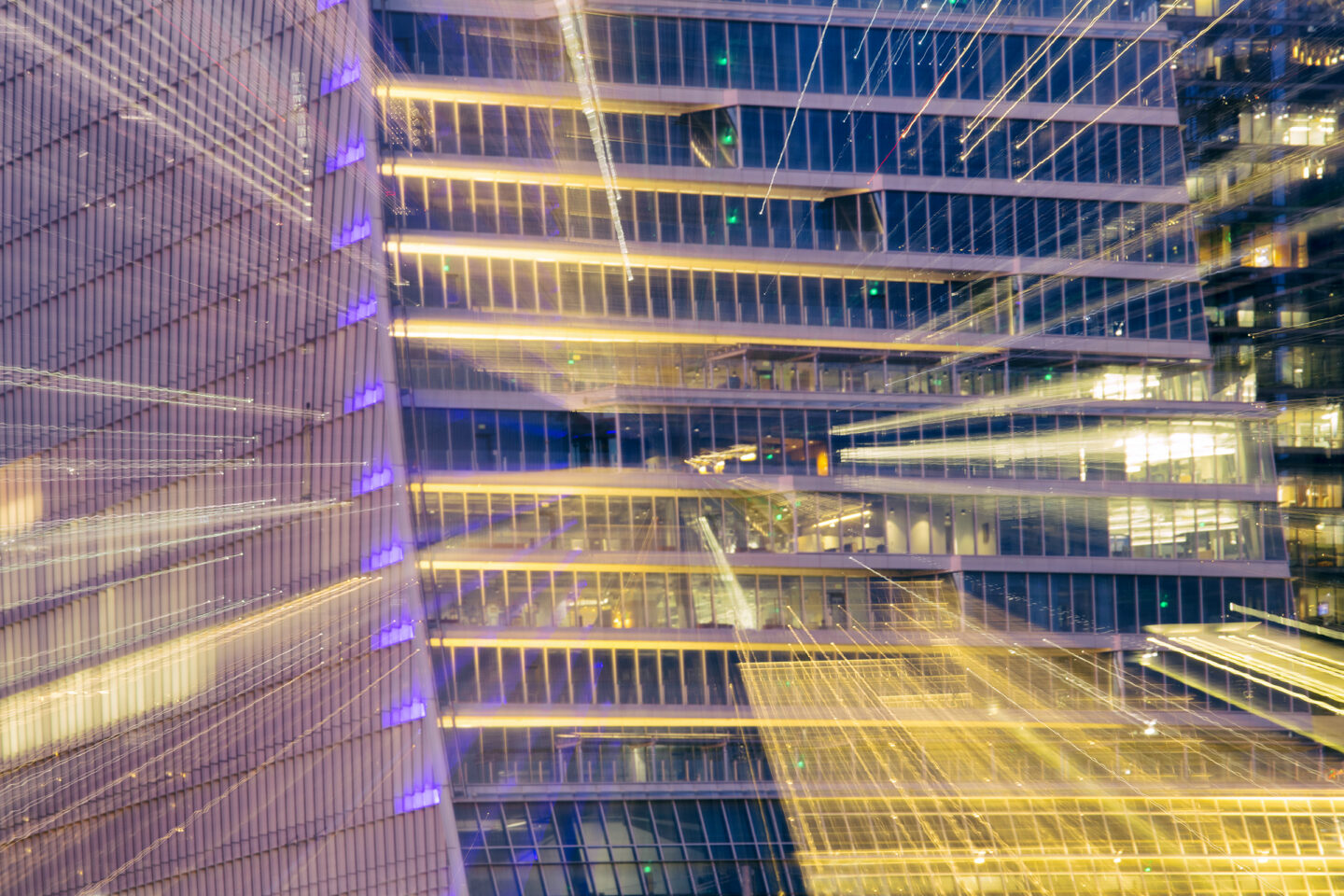
The photograph included in the catalog is called A Slow Churn. It was created in downtown Austin, Texas, on a nice night photo session. For this image, I was technically standing still, but deliberately moving the zoom while the camera shutter was open. The result is an image that feels both architectural and alive, as if the city itself were breathing in light.
This approach is part of a larger body of work where I explore motion and light. You can see more of that series here.
I’ve always felt that cities have a certain energy. Capturing them in a photograph that’s static feels like it’s leaving out some of the story. When I think of a city, I want to capture the energy, the excitement, the vibrancy of the night. The city often comes alive with people going out, moving about, living their day to day lives but sharing and contributing to that energy.
By photographing them this way, the rigid geometry of glass and steel begins to dissolve into streaks of gold and violet. Lines stretch. Light bends. What appears solid becomes fluid. It’s a small experiment in motion — an exploration of how even the most structured environments contain rhythm beneath the surface.
I think it captures the city the way the city is. It’s authentic. It’s vibrant. It’s alive. Just like the city itself.
A Peek Inside the Museum Catalog
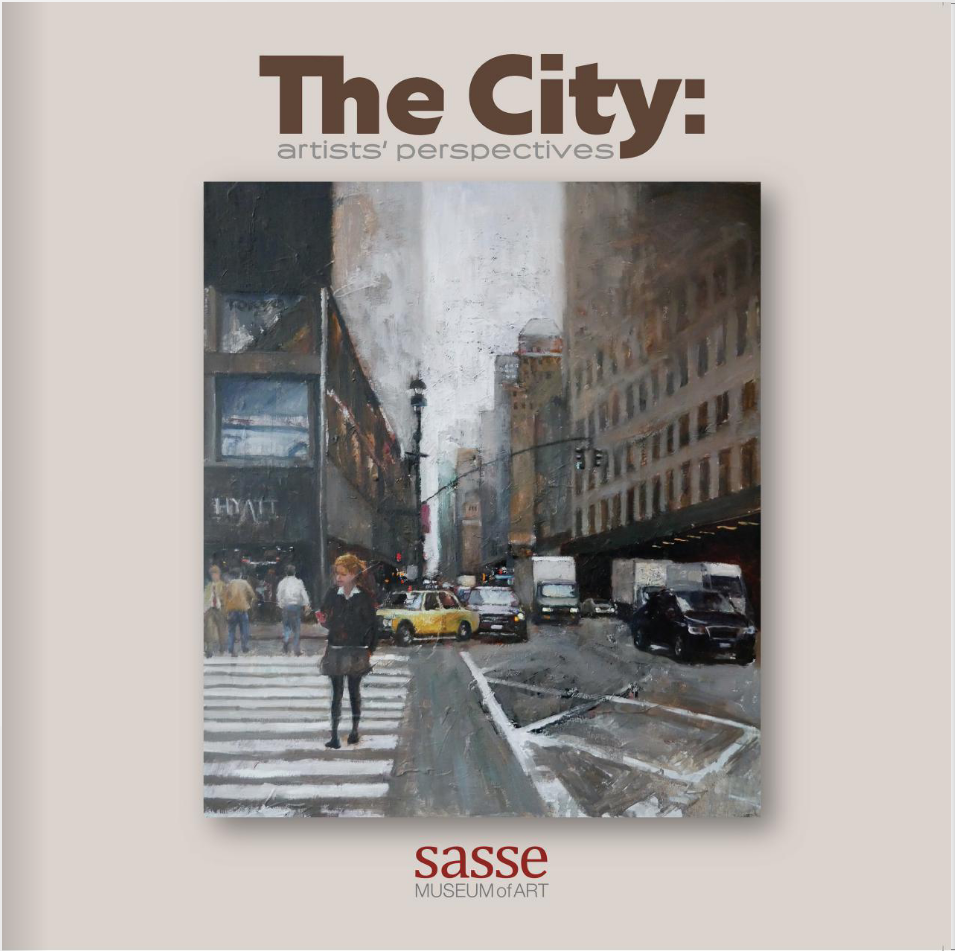
To see A Slow Churn reproduced in a museum catalog — printed alongside artists working across media — is a reminder that photography is not fixed. It continues to evolve, to experiment, to stretch beyond the frame. Museums are not only preserving the past; they are documenting the present.
Catalogs, in particular, hold a quiet power. Exhibitions come down. Walls are repainted. Installations are dismantled. But a catalog remains. It becomes part of an institutional record; archived, referenced, and revisited long after the gallery lights dim.
If you’re wondering how work finds its way into a museum publication, the path is often more accessible than it appears. Museums regularly host juried exhibitions and themed calls, inviting artists to respond and contribute. The key isn’t mystique, no, it’s intention. Thoughtful submissions. Careful attention to theme. Professional presentation. Small, deliberate steps can lead to moments that once felt far away.
You’ll Find Me There
If you’d like to see the finished catalog, you can flip through it here. I hope you take a moment to explore the work of the other artists as well. It’s a thoughtful and diverse collection across media.
I’m genuinely over the moon about being included in a museum catalog. It feels like a meaningful milestone in my journey as an artist — one that the little girl wandering through New York museums on rainy afternoons could never quite have imagined.
More than anything, I share this in the hope that it encourages you. These opportunities aren’t reserved for someone else. They’re built from small steps, steady work, and the courage to submit when the moment feels right.
Until next time…


